







What Is Snoring and Why Does It Happen?
Snoring happens when airflow is partially blocked during sleep, causing the tissues in the throat to vibrate and create sound. While occasional snoring is common, frequent or loud snoring may be a sign of an underlying sleep or breathing issue that should not be ignored.
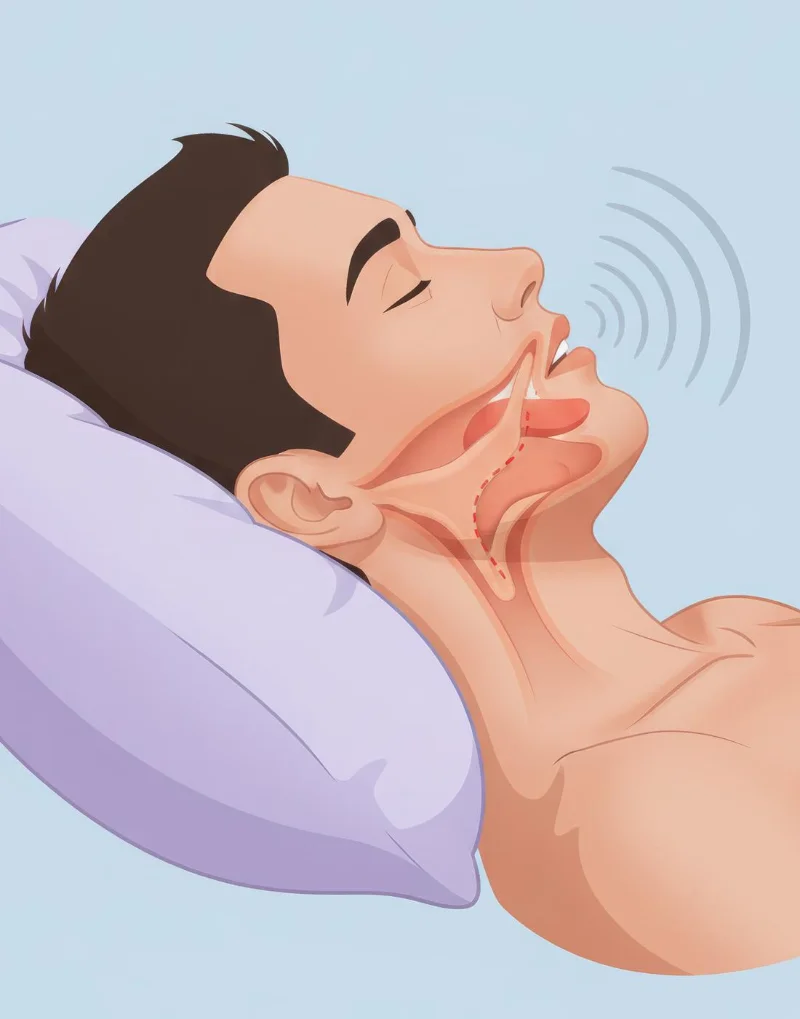
What Causes Snoring?
- Relaxed throat and tongue muscles during deep sleep
- Excess soft tissue around the throat, often related to weight
- A deviated nasal septum or chronic nasal congestion
- Enlarged tonsils or adenoids, particularly in children
- Alcohol consumption, especially close to bedtime
- Sleeping on your back, which causes the tongue to fall back
- Structural features of the jaw or palate
Understanding the cause of loud snoring is the first step toward finding the right treatment.
When Snoring Becomes a Health Concern
Not all snoring is harmless. Loud, frequent snoring paired with gasping, choking, or witnessed breathing pauses may be a sign of obstructive sleep apnea (OSA), a serious medical condition that interrupts breathing repeatedly throughout the night.
Left untreated, it can increase the risk of high blood pressure, stroke, heart disease, type 2 diabetes, and reduced quality of life. It can also affect mood, memory, and professional performance.
At Somnotech Sleep Clinic, we provide comprehensive evaluation and personalised treatment for obstructive sleep apnea to help improve sleep quality and reduce long-term health risks.


The Impact on Relationships and Quality of Life
Snoring can affect both you and those around you. It may disrupt your partner’s sleep, strain relationships, cause daytime fatigue, and lead to social embarrassment or reluctance to share a room while travelling.
The good news is that help is available, and it is simpler than most people imagine. If you’re wondering how to stop snoring, the right diagnosis and personalised care can make a significant difference.
Common Risk Factors
-
Age, as muscle tone naturally decreases over time
-
Excess body weight, particularly around the neck
-
Nasal congestion from allergies or a cold
-
Use of sedatives, antihistamines, or alcohol
-
A family history of snoring or sleep apnea